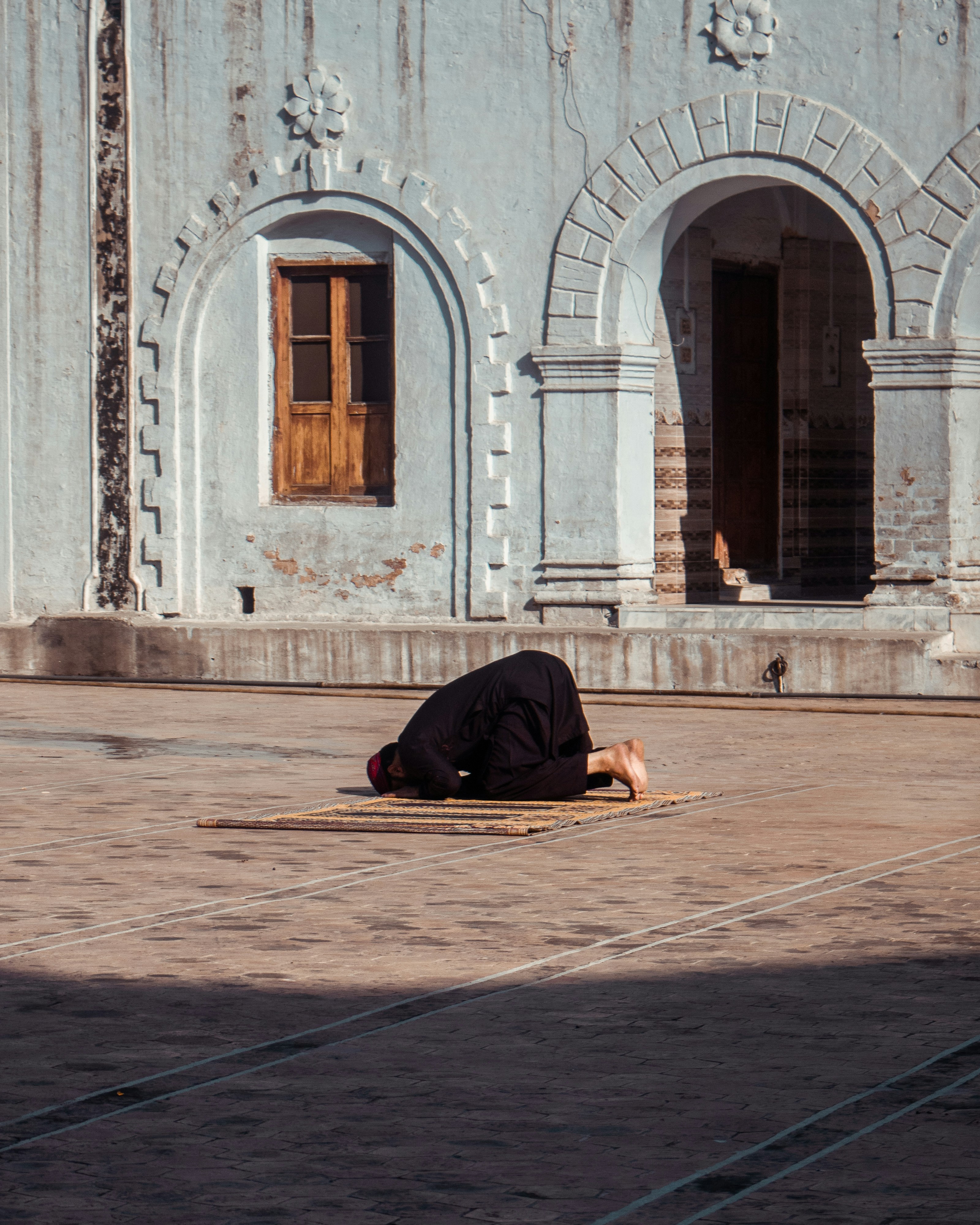
Acting Without Causing Harm
None of this means passivity. It means acting with discipline. It means refusing to allow frustration to turn into destruction.
“There should be neither harming nor reciprocating harm.” (Ibn Majah 2341; Muwatta Malik)
Muslims are commanded to stand against injustice.
“The best jihad is a word of truth before a tyrant ruler.” (Sunan Abu Dawud 4344; Tirmidhi 2174)
But how that stand is taken matters.
Action taken outside the guidance of Allah may feel powerful in the moment, but it rarely produces the justice it seeks. This is why the Qur’an and the Prophet ﷺ repeatedly emphasize ihsan — excellence in conduct.
“Allah has prescribed ihsan (excellence) in all things.” (Sahih Muslim)
“Ihsan is to worship Allah as though you see Him, and if you do not see Him, know that He sees you.” (Sahih Muslim)
To act with ihsan means acting with clarity, sincerity, restraint, and care for the sanctity of life.
The Wisdom of Patience

Islamic history itself offers a profound lesson in this.
The conquest of Makkah did not happen immediately. It was preceded by the Treaty of Hudaybiyyah — an agreement that many companions initially struggled to accept.
Yet the Qur’an later revealed that hidden wisdom existed behind that delay.
“Had there not been believing men and believing women whom you did not know – that you might have trampled them and incurred guilt unknowingly…” (Qur’an 48:25)
Among those living in Makkah at the time were believers whose faith was hidden. Had the battle occurred immediately, innocent lives would have been lost unknowingly. Allah delayed victory to protect them. The lesson here is profound: human life carries immense weight in the sight of Allah. Victory itself was postponed in order to protect the innocent.
Freedom Within Submission
The modern world often frames freedom as the absence of limits. Islam frames it differently. True freedom lies in choosing obedience to Allah even when one has the power to do otherwise.
It is easy to act recklessly when anger rises. It is harder to pause and ask:
Is this what Allah would want from me?
Sometimes Allah does not hold back our swords. Sometimes He expects us to hold them back ourselves. This is not weakness. It is discipline. It is trust. It is submission. And within that submission lies a deeper form of freedom — freedom from being controlled by anger, fear, institutions, or crowds.
It is the freedom of the servant who knows that their ultimate accountability lies only with Allah. Value the sanctity of life. Fulfill the right of what Allah has given you. Victory belongs to those who truly submit to Him.
May Allah be with us all.
The Third Test: Those Entrusted With Warfare
There is yet another test — one that is often overlooked. The test of those who serve in the military.
For them, the trial is different. They are not merely observers of conflict; they are directly involved in it. Their challenge is not whether to act, but how to act while remaining obedient to Allah.
Islam does not deny the reality of warfare. But it imposes limits upon it that are remarkable even by modern standards. The Prophet ﷺ established clear rules for conduct in battle.
“Do not kill women or children.”
(Sahih Bukhari; Sahih Muslim)
“Do not kill the elderly, the young, or women.”
(Sunan Abu Dawud)
He also forbade the destruction of crops, trees, and places of worship, and prohibited the killing of monks and civilians who were not participating in the fighting. Even when facing an enemy that behaves unjustly, Muslims are not permitted to abandon their own moral framework.
Allah commands:
“Do not let the hatred of a people cause you to transgress. Be just; that is nearer to righteousness.”
(Qur’an 5:8)
This command reveals something profound about Islamic ethics: our morality is not dependent on the morality of our enemies. Even when the enemy fights without restraint, Muslims are still commanded to maintain justice.
The Prophet ﷺ warned against betrayal and treachery even in war.
“Do not betray, do not be treacherous, and do not mutilate.”
(Sahih Muslim)
This means that the test of those engaged in warfare is not only courage — it is discipline. It is the ability to maintain ethical limits when fear, anger, and survival instincts are at their highest. It is the refusal to allow the brutality of war to corrupt one’s obedience to Allah.
History shows that when Muslims upheld these principles, they became known for their justice even among their enemies. And when these principles were abandoned, the consequences were not only worldly, but spiritual. Victory in Islam is not defined merely by military success. True victory is to stand before Allah having fought without betraying His commands.

Leave a Reply