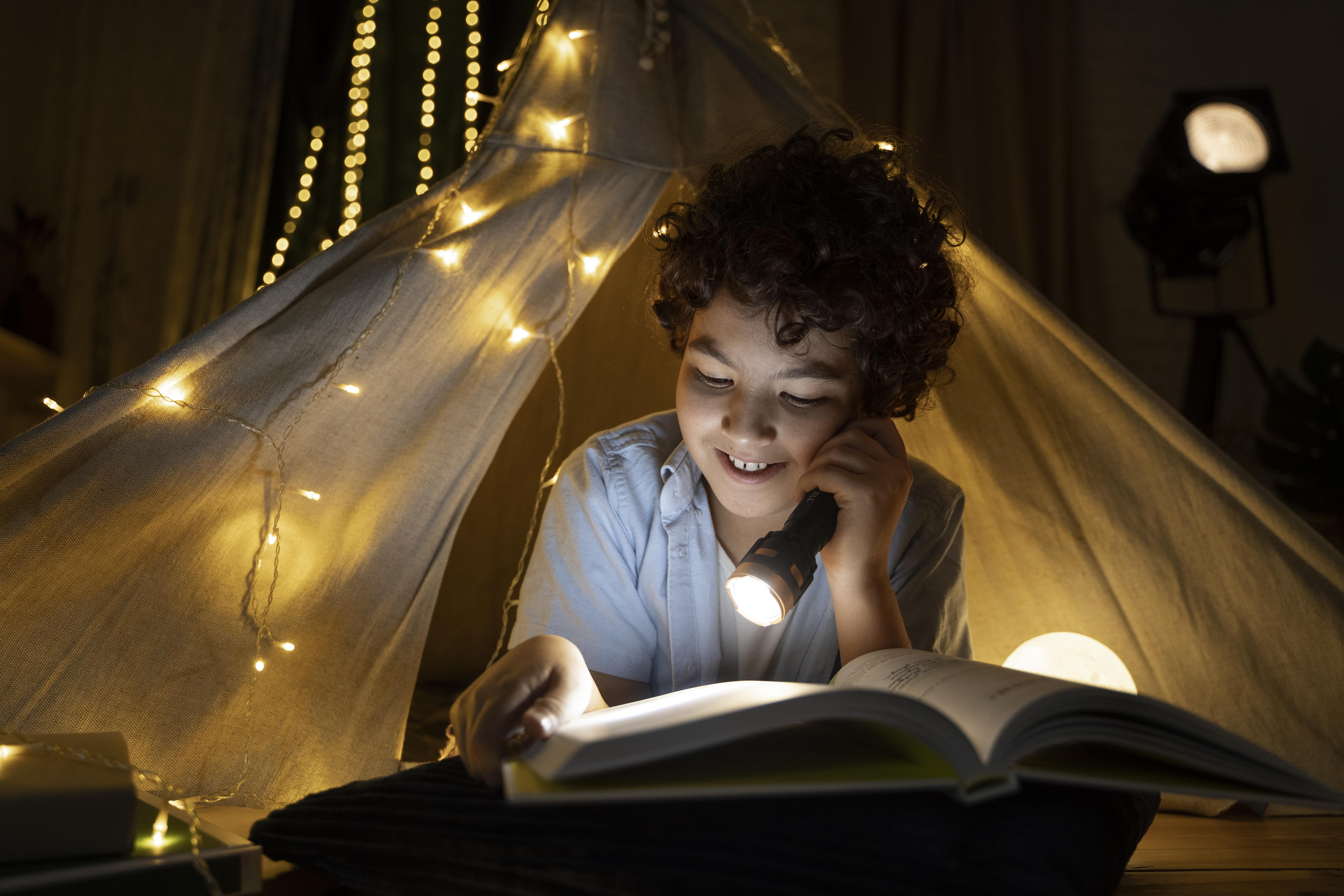

Philosophy is simply the practice of asking big questions. Children ask big questions all the time. When they wonder, “Why is the sky blue?” or “Why do we have to share?” they are already beginning to think like philosophers. Every thoughtful question is the start of a journey shaped by curiosity and wonder.
One important idea in philosophy is the concept of truth. Truth refers to what is real and honest. Long ago, the philosopher Plato wrote in The Republic that truth is like light—it helps us see things clearly. Much later, Friedrich Nietzsche suggested in On Truth and Lies in a Nonmoral Sense that people may understand truth in different ways. For example, one child may look at a drawing and see a cat, while another sees a tiger. Both are trying to make sense of what they see. Even when they disagree, they are searching for the truth.
The Truth And Ethics
Another important part of philosophy involves choice. Do we choose what we become? Jean-Paul Sartre wrote in Existentialism Is a Humanism that we are free to choose, much like choosing a game to play. At the same time, parents and teachers guide children toward kind and responsible decisions. These lessons introduce the idea of ethics—the study of right and wrong.
Ethics also includes the idea of goodness. Immanuel Kant, in Groundwork of the Metaphysics of Morals, argued that we should treat others with fairness and respect. In everyday life, that might mean sharing toys, telling the truth, or helping someone who falls down. Through small actions, children begin to understand ethical responsibility.
Philosophy also asks a very personal question: Who am I? John Locke, in An Essay Concerning Human Understanding, suggested that memory plays an important role in identity. Our stories, friendships, favorite songs, and experiences help shape who we are. Many thinkers in philosophy have explored how identity grows through memory and experience.
Philosophy does not always offer easy answers. Instead, it teaches us how to think carefully about truth, ethics, and the ideas of great thinkers. Even children can practice philosophy. Every time they ask a thoughtful question or try to do what is right, they are learning to become both wise and kind.
Leave a Reply